
Your Marriage Didn't Fail. It Culminated with Dr. Wendy Walsh.
What one of America's top relationship scientists wants every woman over 40 to know about love, dating, and learning to swim again.
Let me set the scene. I am recently divorced. I have not been in the dating pool since 2001. And when I say "dipping my toe back in," I mean that very literally — because right now I am standing at the edge of that pool, squinting at the water, wondering who took my floaties and whether it's too late to order a new pair on Amazon Prime. The thing about being out of the dating pool for over two decades is that you forget how to swim. Not just the strokes — the whole thing. The confidence, the reading of signals, the knowing-when-someone-is-actually-into-you-versus-just-bored-on-a-Tuesday. I am, to put it plainly, a grown woman who needs floaties. And I am not even slightly embarrassed about it. (Okay, maybe slightly.)
Which is exactly why I called in the expert.
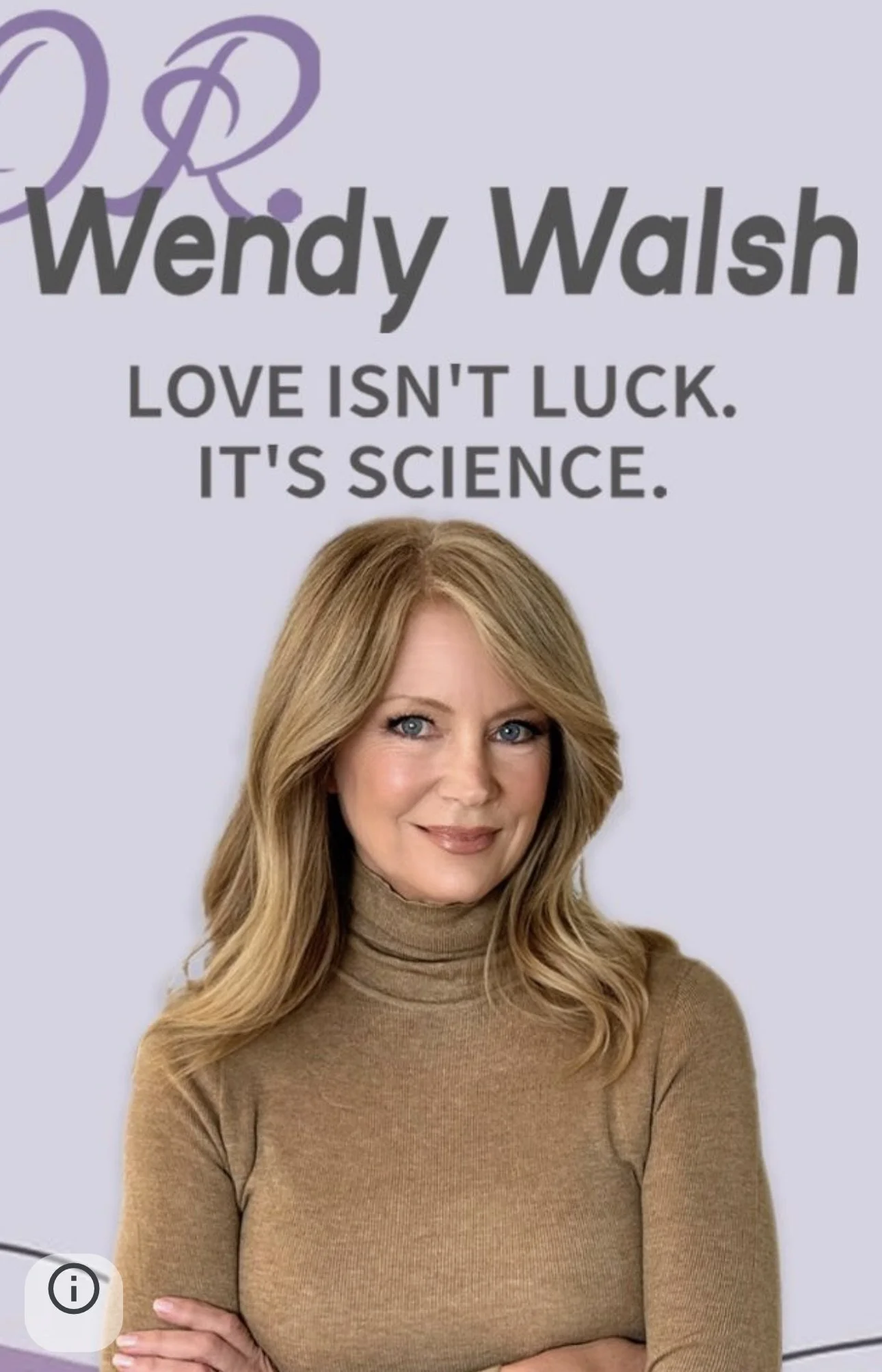
Dr. Wendy Walsh has spent 30 years studying the science of human mating. She's an Emmy-nominated co-host of The Doctors, a CNN relationship commentator, and a woman who was a single mother for 20 years before getting on the apps in her 50s and finding her husband by following her own research. She is essentially the Olympic swim coach I did not know I needed.
"There is this myth in our culture that we will meet a soulmate somewhere in our twenties and be happily married until death do us part. In fact, that is the most atypical form of human pair bonding that exists on the planet."
— Dr. Wendy Walsh
When she said that, something in me exhaled. Because here's what nobody tells you after a divorce: the story you were sold — the one about soulmates and happily ever after and one great love for life — was always a myth. Not a cruel one. Just an incomplete one. And letting go of it is less like losing something and more like finally getting permission to write a new chapter.
Dr. Wendy reframed my divorce in a way I didn't expect. My marriage, she said, didn't fail. It culminated. It ran its course. It served its purpose. And now I get to figure out what comes next — ideally with floaties, and eventually without them.
Why being back in the pool at 40-something is actually an advantage
Here's the part that surprised me most. Dr. Wendy argues that women over 40 are actually in the most powerful romantic position of their lives. With reproduction pressure off the table and a hard-won sense of who we are and what we won't put up with, we choose partners differently now. Not out of urgency. Not out of fear. Out of genuine desire for joy and alignment.
We also come with a tribe — kids, aging parents, deep friendships, careers — and so do the people we meet. The stakes are real. The filters are sharper. And honestly? The floaties help. They keep you afloat while you figure out who's worth swimming toward.
The dating rules nobody taught us the first time around
Dr. Wendy spent 20 years as a single mother before she got back in the pool herself — following her own advice, methodically, like the scientist she is. She met Julio. She married Julio. And she shared exactly what worked.
Dr. Wendy's survival guide for getting back in the water:
🔥Never match with more than two people at once on the apps. Too many options creates dating apathy — in you and in them. Keep the pool small so you can actually see who's in it.
🔥Get on the phone fast. If he won't make a phone call, he won't show up for you in real life. The floaties test: can he handle a five-minute conversation before diving in?
🔥The unconscious contract between you is written between the first text and the first sex. Slow it down. What gets negotiated in those early weeks sets the tone for everything.
🔥When he disappears after you set a limit, do the touchdown dance. He just saved you months. That's not rejection — that's a filter doing its job beautifully.
🔥Never cancel on your friends for a man who texted at 6pm for plans at 7pm. Your time is the most valuable thing you own. It is earned, not given.
The conversation nobody wants to have but everyone needs
We also went somewhere a little braver: sex and intimacy after 40. Dr. Wendy was refreshingly direct. Bodies change. Hormones shift. By 50, half of men experience erectile dysfunction. Women deal with their own physical changes that can make intimacy different. None of this is the end — but it does mean the conversation has to happen before you get to the bedroom. Intimacy, she reminded me, is the goal. Not performance. And that conversation? That's where the real connection starts.
I walked away from this conversation with Dr. Wendy feeling something I didn't expect: hopeful. Not in a naive, rom-com way. In a grounded, science-backed, I-know-who-I-am-now way. The pool is still a little terrifying. The floaties are still very much on. But I'm in the water. And honestly? That's enough for right now.
The best chapter doesn't have to be the first one. Sometimes it's the one you write after you've learned how to swim on your own.
Ready to hear the full conversation?
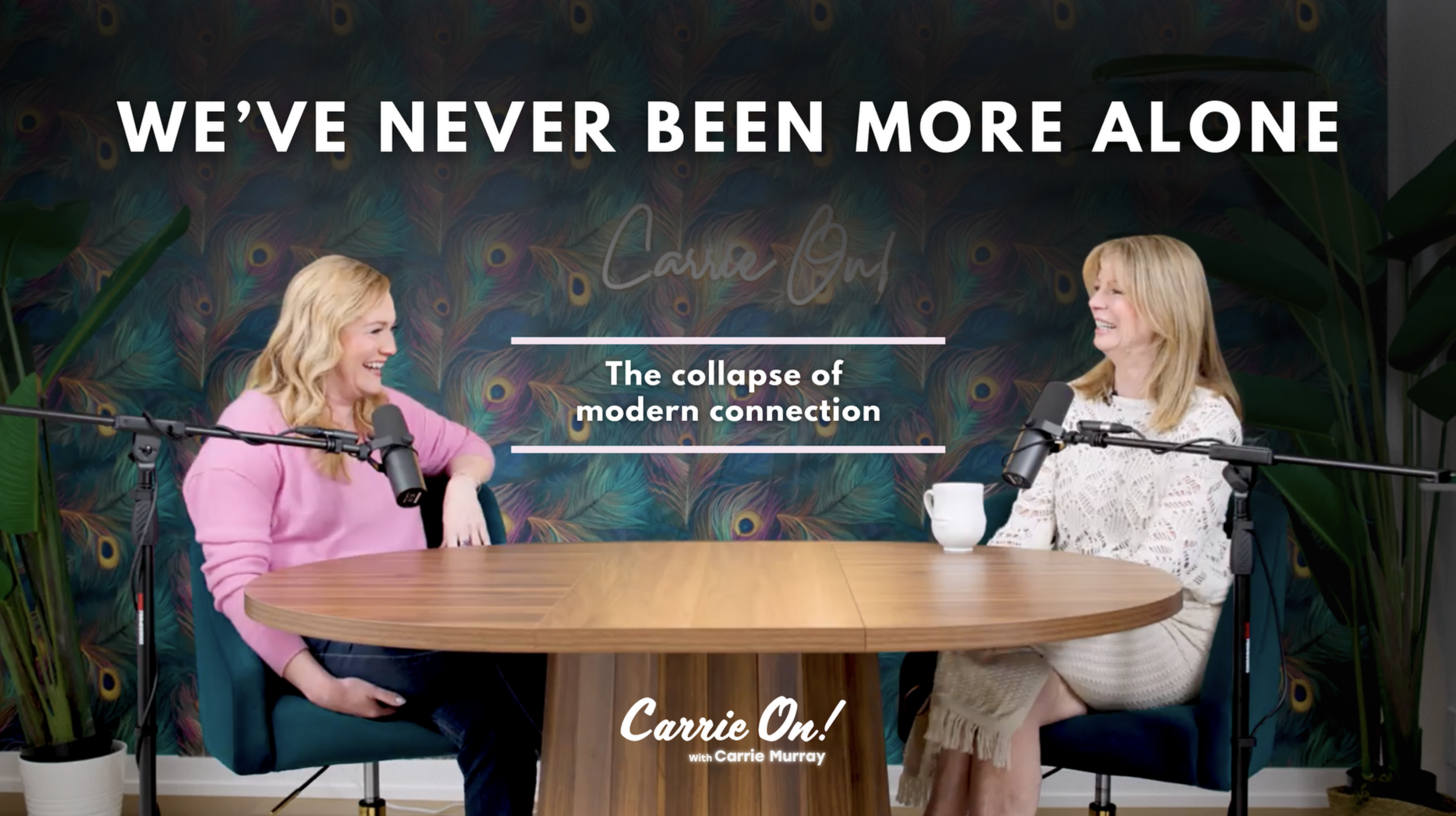
Watch the episode on YouTube
Llisten on Apple Podcasts or Spotify
Follow Dr. Wendy Walsh on Instagram.
And drop a comment telling us where you are in the pool. Floaties on? Just jumped in? Already doing laps? We want to know.
