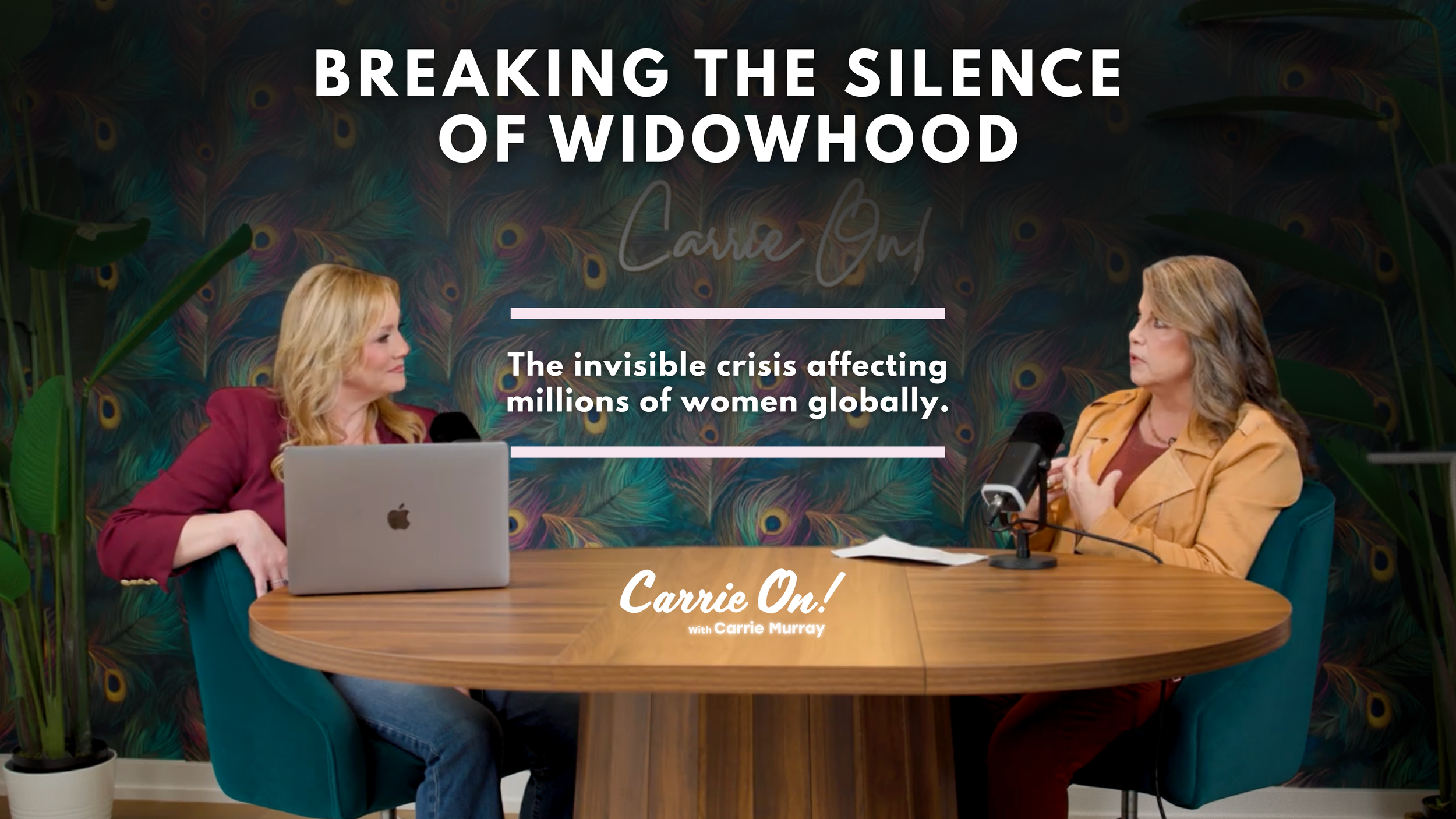
Breaking The Silence of Widowhood; The Woman’s Health Crisis No one is Talking About with Carolyn Moor, founder of Modern Widows Club
Widowhood is something we whisper about.
Something we assume happens to other women—much later in life, quietly, behind closed doors.
But here’s the truth most people don’t know:
Every two minutes, a married woman in the United States becomes a widow.
And when that happens, she doesn’t just lose her partner. She often loses her footing in the healthcare system, her financial stability, her political voice, and her visibility in society altogether.
On this episode of Carrie On!, I sat down with Carolyn Moor, founder of Modern Widows Club, to talk about what really happens to women after loss—and why widowhood is one of the most overlooked women’s health and equity issues of our time.
This conversation is about grief.
But it’s also about power.
“One Day I Was a Confident Woman. The Next Day I Was Someone’s Widow.”
Carolyn was widowed suddenly at age 36 after surviving a car accident that killed her husband.
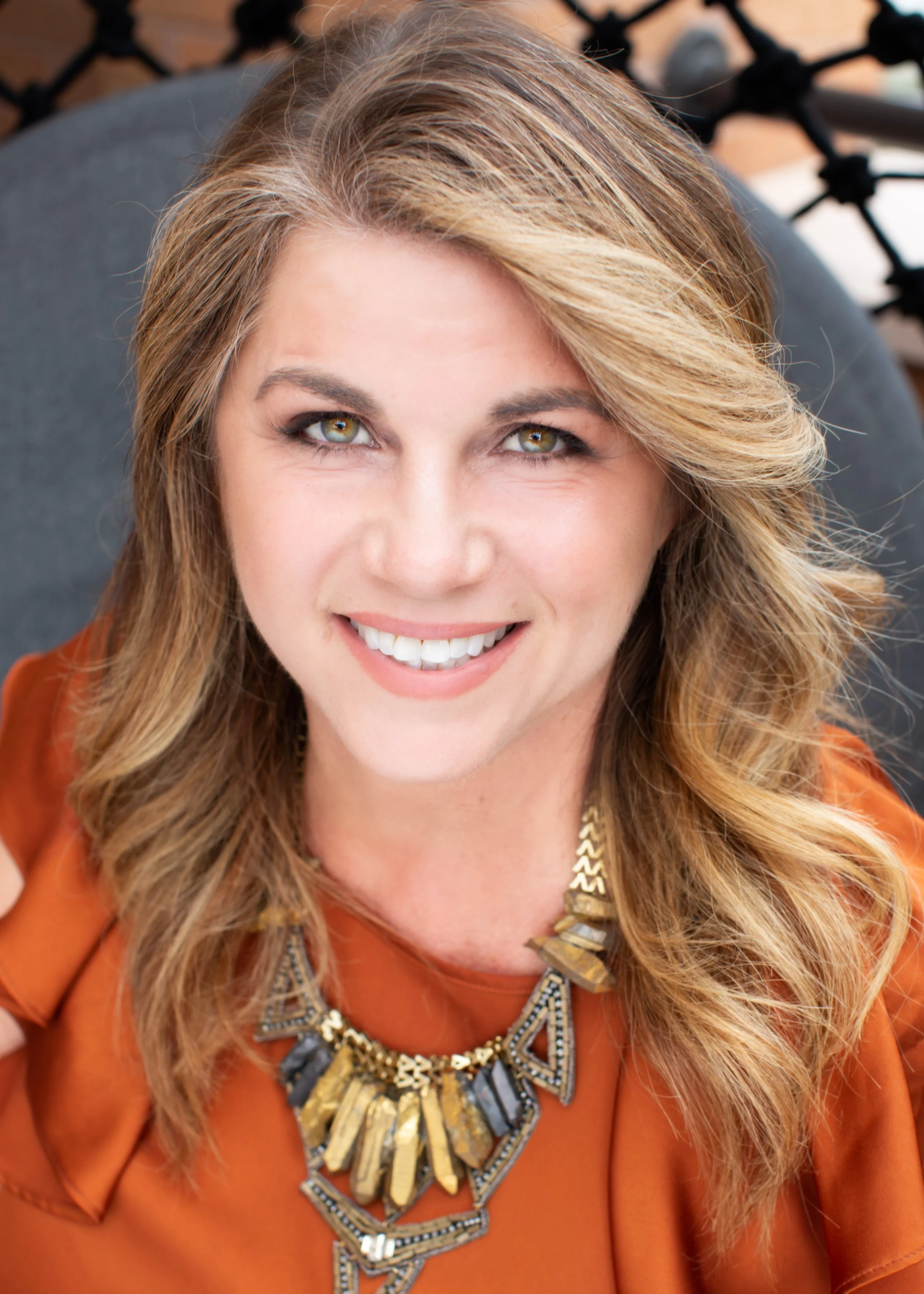
She went home to two young daughters, a demanding career, and a life that would never look the same again. One day, she was a confident executive running an interior design firm with 50 employees. The next, she was “someone’s widow”—with no roadmap, no advocacy, and no systems designed to support her.
What followed was profound isolation.
Carolyn describes lying in bed, staring at the ceiling, overwhelmed by the feeling that no one—not her neighborhood, not her city, not her country—understood the intensity of what she was carrying.
At the time, there was no widow mentoring.
No widow leadership.
No long-term care model.
Just silence.
Why Grief Support Isn’t Enough
Here’s something most people don’t realize: the grief industry is well-researched and well-intentioned—but it’s built as a one-to-two-year intervention.
Widowhood is not.
Carolyn’s work—and decades of lived experience—show that it takes five to seven years for a widow to rebuild an identity she feels proud of and rooted in.
Through observing thousands of women, she identified four distinct phases of widowhood:
Hope – early grief, grasping for stability
Heal – seeking community and widow-specific knowledge
Grow – reclaiming agency, purpose, and direction
Lead – stepping into leadership and service
This framework became the foundation of the Modern Widows Club and its programs.
What widows don’t need is pressure to “move on.”
What they need is support to move through—one day, one decision, one breath at a time.
The Cost of Invisibility
The statistics are staggering:
7 out of 10 married women will become widowed
The average age of widowhood is 59 (52 within Modern Widows Club)
50% of the 11 million widows in the U.S. live in poverty
Widows receive just three days of bereavement leave for the most stressful life event a human can experience
And perhaps most alarming: widows stop voting.
Despite being one of the largest populations of women in the country, widowed women vote at lower rates than men—effectively silencing a massive and powerful constituency.
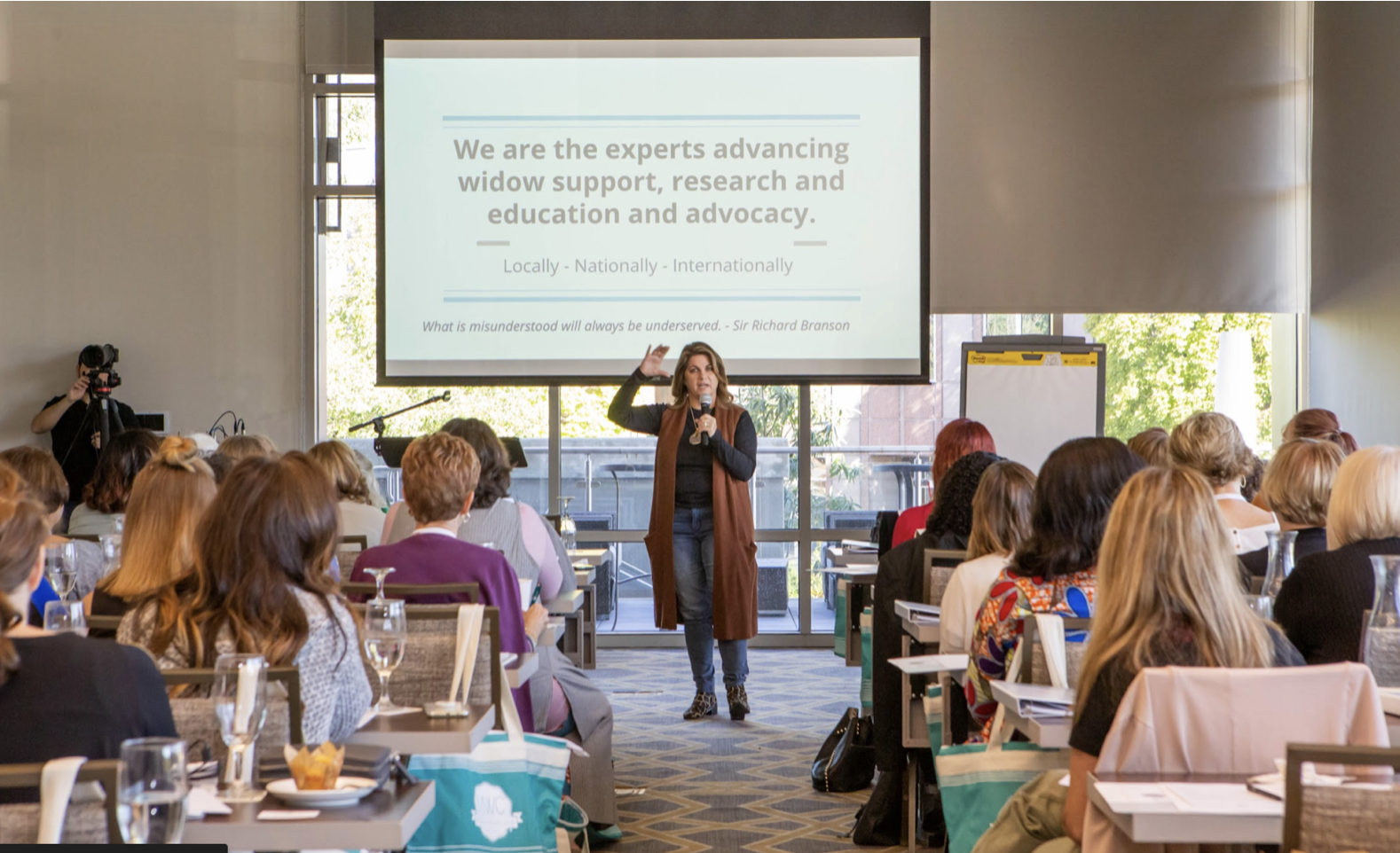
As Carolyn says, what is misunderstood will always be underserved.
The Leadership Hidden in Widowhood
And yet—this is not a story about broken women.
Carolyn calls widowhood “earning a PhD in uncommon knowledge.”
Widows develop grit, patience, intuition, compassion, and a deeply relational form of leadership. They move forward while reaching back—often instinctively sitting with another widow and saying, “Tell me more.”
That simple act is leadership.
Through the Modern Widows Club, what started as women gathering in living rooms has grown into a global movement serving tens of thousands of women—offering community, education, advocacy, and a pathway from grief to purpose.
Carolyn has watched something extraordinary happen again and again:
the light returning to women’s eyes.
You can’t measure it.
But you can feel it.
Why This Conversation Matters
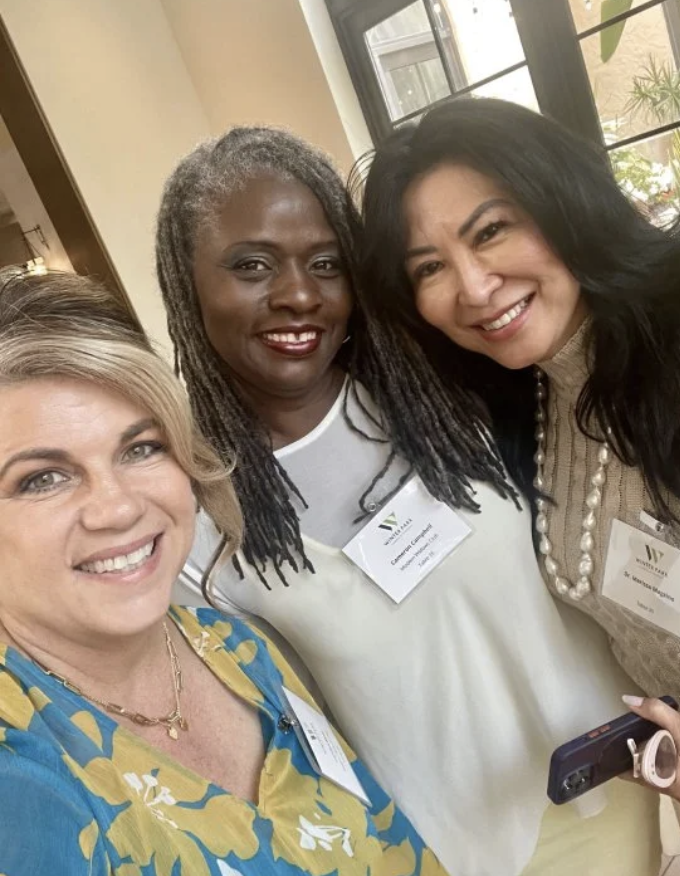
Widowhood is not a niche issue. It is a women’s health issue, an equity issue, and a leadership issue.
This episode is a call to stop whispering.
To stop erasing.
To see widows not as something tragic to look away from—but as powerful women worthy of care, visibility, and systemic change.
Whatever it is, the way you tell your story online can make all the difference.
🎧 Listen to the episode on Apple Podcasts or Spotify or watch on Youtube.
Find Modern Widows Club on Instagram.