Vulva La Revolution: The Public-Health Crisis Hiding in Plain Sight with Meredith Yinger and Dr. Maria Uloko
What if one of the biggest public-health crises of our time has been happening in silence—right between women’s legs?
That’s the question that kicked off this episode of Carrie On!, and it’s not dramatic. It’s reality.
For generations, women and people with vulvas have been told some version of: You’re fine. It’s normal. It’s stress. It’s in your head. It’s just part of getting older. And when you hear that enough times—especially from the person in the white coat—you start to doubt the one thing you should never doubt: your own body.
This conversation is about naming what so many have lived through but rarely said out loud: medical gaslighting and systemic neglect in vulvovaginal healthcare. And it’s also about the uprising already underway.
In this episode, I’m joined by two women who are refusing to play nice with a broken system:
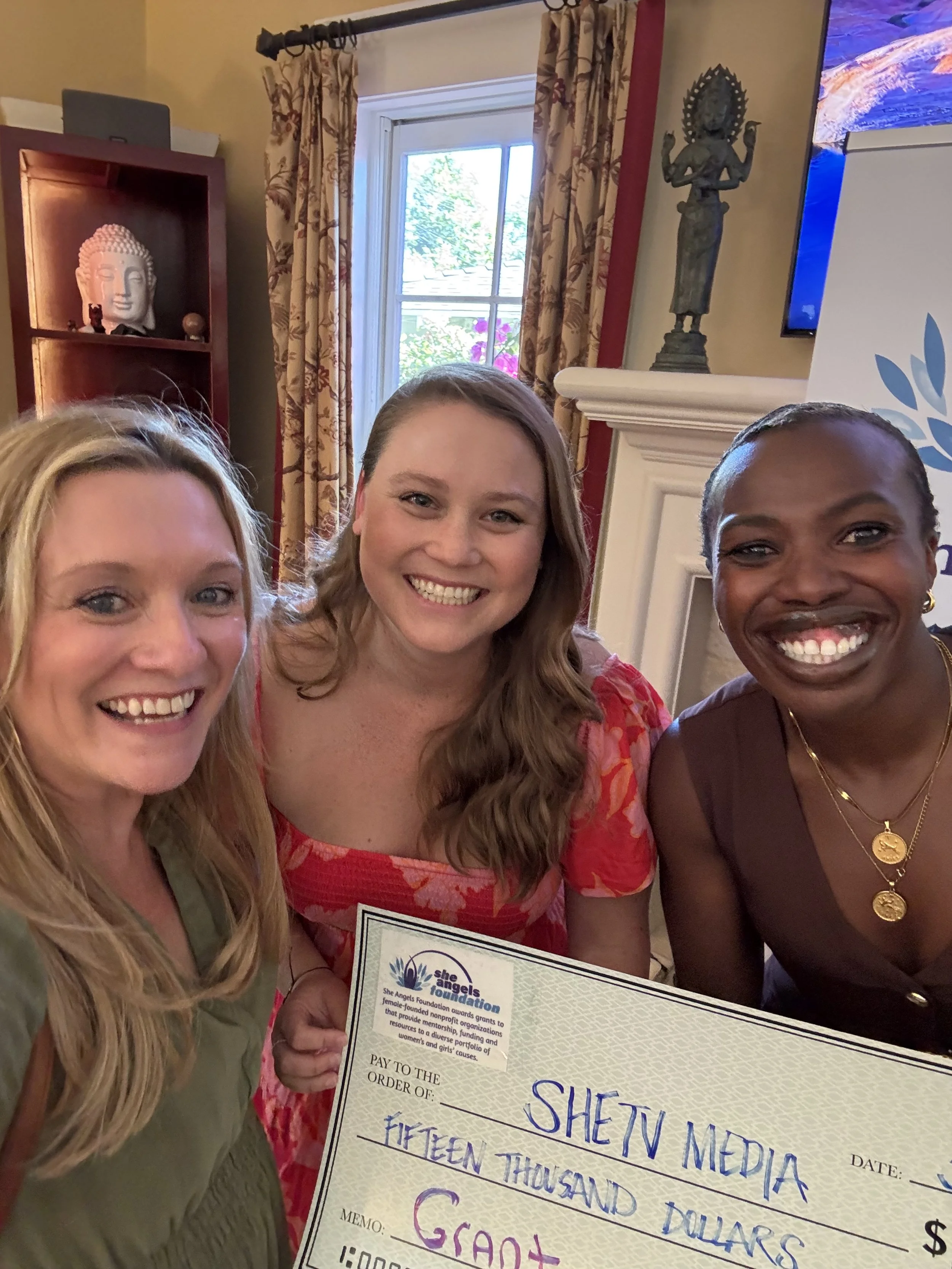
Meredith Yinger, award-winning director and founder of SheTV Media, whose work shines a light on the stories we’re taught to keep quiet.
Dr. Maria Uloko, one of a small number of urologists with advanced vulva-focused training—an actual disruptor reshaping the field with research, education, and new models of care.
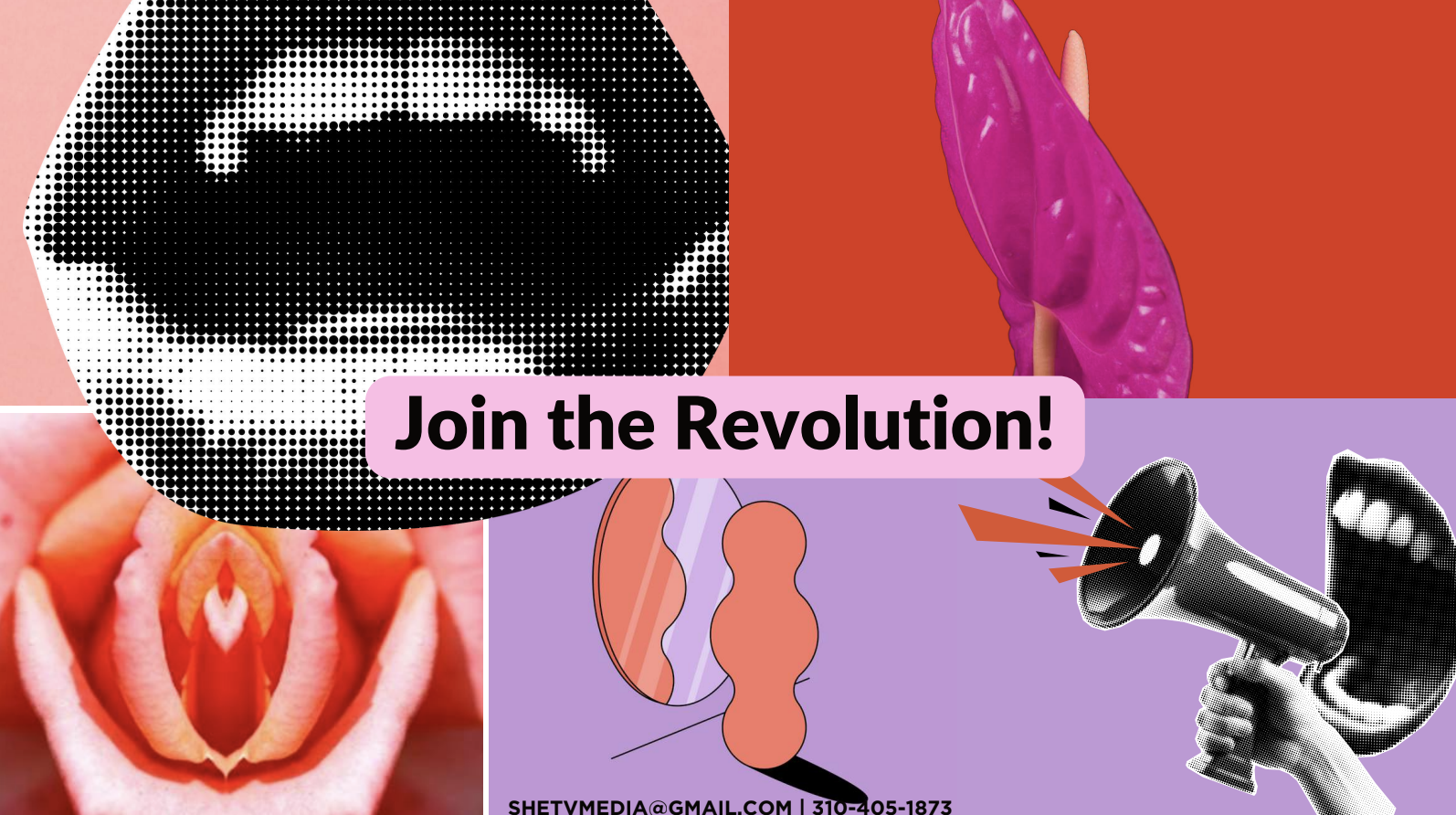
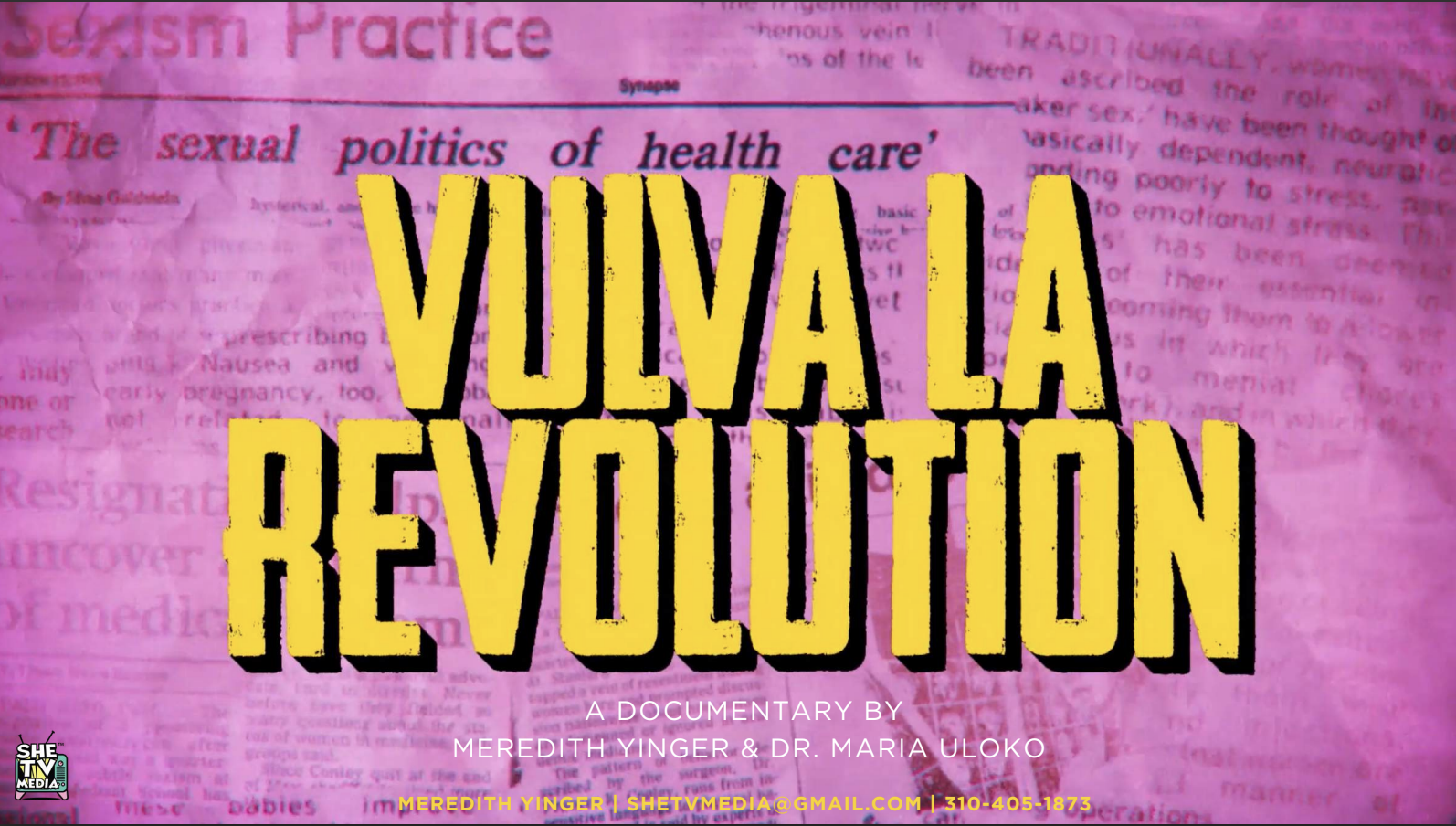
Together, they’re building Vulva La Revolution—a documentary and a movement designed to expose the crisis, educate the public, and force change in the institutions that have failed women for centuries.
This Isn’t About “Bad Doctors.” It’s About a Broken System.
One of the most important reframes Dr. Maria makes is this:
Most physicians aren’t out here trying to harm women.
The problem is scarier than that.
They were never taught what they needed to know.
Dr. Maria said it clearly: the medical system often doesn’t teach providers meaningful vulvovaginal health until they’re already in practice—seeing patients, hearing the symptoms, and realizing, Wait… I actually didn’t learn this.
That “quiet part” matters.
Because when your doctor doesn’t know what they don’t know, the patient becomes the problem. Symptoms become “mysteries.” Pain becomes “anxiety.” And a woman who keeps pushing for answers becomes “difficult.”
That’s not a bedside manner issue. That’s a training issue. That’s a systems issue.
The Cost of Being Dismissed
Here’s what hit hard: these symptoms are incredibly common—pelvic pain, recurrent UTIs, recurrent vaginal infections, overactive bladder symptoms. Millions of people experience them.
And yet, according to Dr. Maria, the average patient may face:
Years before receiving a correct diagnosis
Multiple doctors before someone takes them seriously
Huge out-of-pocket costs trying to piece together care
Meanwhile, Dr. Maria can often diagnose in a single appointment—not because she has magical powers, but because she received specialized training that most providers never get.
Let that sink in: women aren’t suffering because their conditions are impossible.
They’re suffering because the system isn’t built to recognize or prioritize them.
“Your Symptoms Are Real.” (Say It Again.)
If you take nothing else from this blog, take this:
Your symptoms are real.
Painful sex is not normal.
Recurrent UTIs aren’t something you should just “deal with.”
Pelvic pain isn’t a personality flaw.
And being told “everything looks fine” doesn’t mean you’re fine.
Dr. Maria said it best: you live in your body every day. You know what feels off. A physician’s job is to be the detective—not to dismiss the witness.
And if your doctor isn’t listening?
You are allowed to get a new one. You are allowed to demand answers. You are allowed to keep going.
Why Shame Keeps Women Sick
This episode also goes deeper—into the cultural conditioning that keeps women silent.
Meredith and Maria both shared stories about growing up with shame around periods, bodies, and basic anatomy. The whispered conversations. The embarrassment. The message—spoken or unspoken—that your body is “gross” or “private” or “inappropriate.”
Dr. Maria made a point that stopped me in my tracks:
Before we teach our daughters, we have to unpack our own shame.
Because shame doesn’t just make us quiet.
Shame delays care. Shame delays diagnosis. Shame keeps people suffering for decades.
And then here’s the punchline: while vulvas are treated like secrets…
There are entire medical conferences dedicated solely to the penis.
Days-long conferences. Workshops. Funding. Research. Entire systems built around optimizing male sexual health.
The disparity is not subtle.
What Is Vulva La Revolution?
Meredith’s documentary project is bigger than a film.
Vulva La Revolution is being built as a full ecosystem, including:
A feature-length documentary following three stories (a patient, a doctor, and a FemTech founder)
An animated educational series to teach vulvar anatomy in a way people can actually understand
A screening tour designed to create action—not just awareness
Partnerships with advocacy groups, physicians, and grassroots organizations so viewers don’t leave feeling helpless—they leave mobilized
Meredith said she wants people to leave the film angry.
Not angry for the sake of rage.
Angry because anger is clarity.
Angry because anger says, This isn’t normal and I won’t accept it anymore.
Angry because anger—when organized—becomes change.
What Doctors Can Do Right Now
This isn’t only a message for patients.
Dr. Maria spoke directly to physicians and clinicians watching:
This is not about shame. This is about responsibility.
If the system didn’t teach you, you’re not “bad.”
But once you know better, you’re called to do better.
She shared that her work includes comprehensive training and education tools for clinicians so they can learn how to diagnose and treat common vulvovaginal conditions through a multidisciplinary lens (urology, gynecology, pelvic floor, sexual health).
This is how systems change:
Patients advocate. Clinicians learn. Institutions get pressured. Policy shifts. Funding follows. Revolutions do not happen because one woman is brave.
They happen because a lot of women decide to be loud together.
Final Word: You Don’t Have to Suffer.
Meredith said it with her whole chest, and I’m going to say it again:
You do not have to suffer.
You are not crazy.
Your pain is valid.
And there is another way.
This is what we do on Carrie On!
We tell the truth. We name what’s been minimized. And we refuse to let women be muted.
If you’re ready to be part of the revolution—drop a 🌸 in the comments and share this episode with someone who needs it.
As always,
Keep your head above the chaos… and Carrie On! 🌸
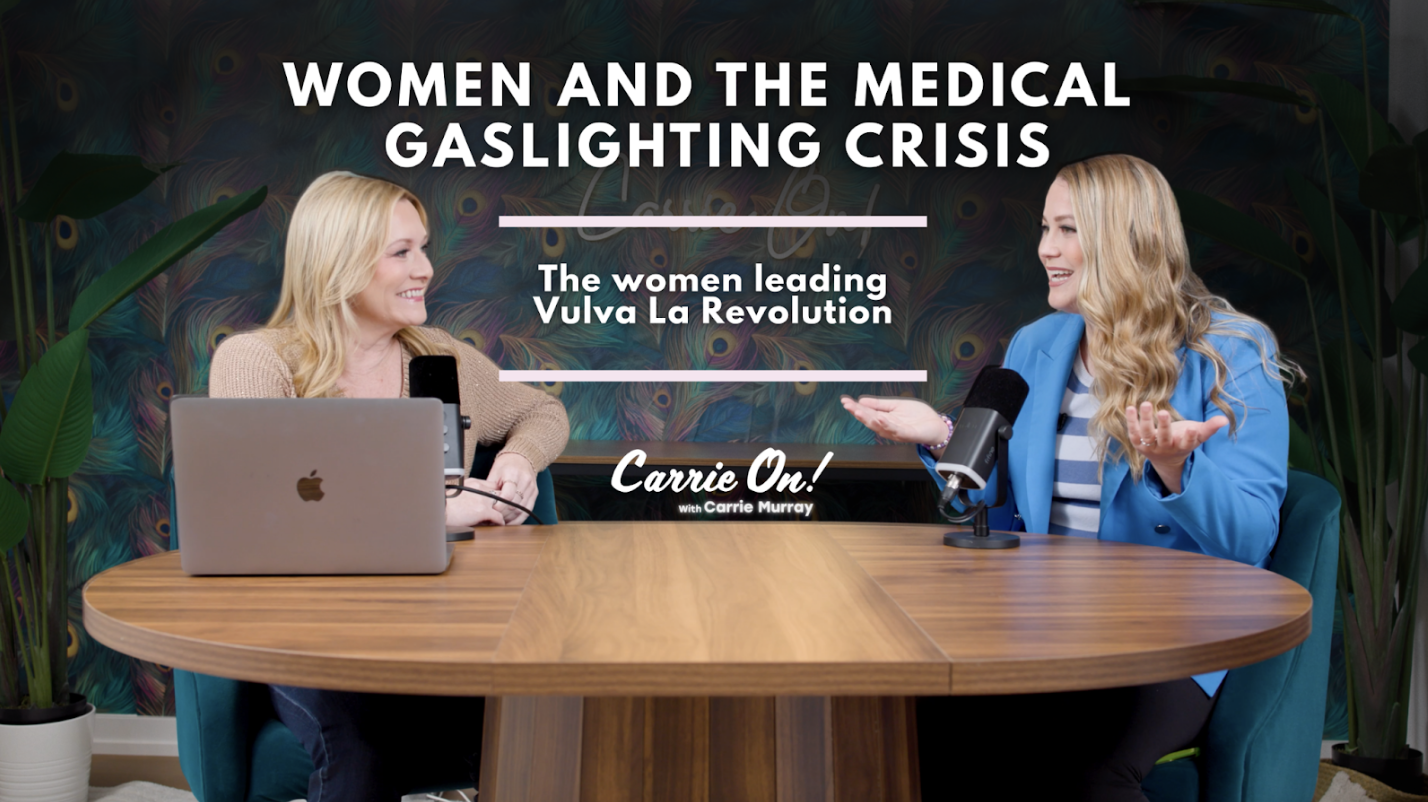
🎧 Watch the episode now on YouTube or listen on Apple Podcasts & Spotify.
🔗 Follow & Support
Meredith Yinger / SheTV Media: @shetvmedia
Dr. Maria Uloko: @mariaulokomd
Carrie On!: Subscribe, like, comment, and share
JOIN THE REVOLUTION! Click HERE to learn more.